Behind the Glass: What Happens During Fenestration Field Testing
Services:
Markets:
Contact Us
We are committed to reliable, responsive communication with our clients and potential clients. Our employee-owners are here to help and answer any questions you may have. We look forward to hearing from you.
Behind the Glass: What Happens During Fenestration Field Testing
Fenestration systems, including windows, storefronts and curtain walls, play a critical role in protecting commercial buildings from air and water intrusion. Fenestration Field testing helps verify that these systems are installed correctly and performing as intended before project completion reducing risk to your schedule, budget, and overall building performance.
With extensive experience in building envelope performance and field-testing standards, we help clients approach fenestration field testing with confidence and clarity.
Common Types of Commercial Fenestration Systems
Commercial buildings use a variety of fenestration systems depending on the project design and performance requirements. Common systems include operable and fixed windows, punched openings, ribbon windows, storefront systems, curtain wall systems.
Each system is designed differently and may require different testing methods. For example, storefront systems are typically installed piece by piece onsite, while curtain walls may be stick-built or unitized and engineered to transfer loads across the building façade.
Why Field Testing Matters
Field testing helps you evaluate how fenestration systems perform once installed in the field. Testing can identify issues within the system that could potentially impact interior finishes or structural components due to water intrusion. Testing focuses primarily on:
- Air leakage resistance
- Water penetration resistance
- Installation quality
- Performance of joints, gaskets and sealants
By identifying issues early, testing can help reduce rework, limit disruption to construction schedules, and support long-term building performance.
Common Field Testing Standards
To support installation quality and building envelope performance, Braun Intertec is an accredited field testing agency that performs field testing in accordance with FGIA (Formerly AAMA) industry standards. The following field testing performed, include:
AAMA 501.2
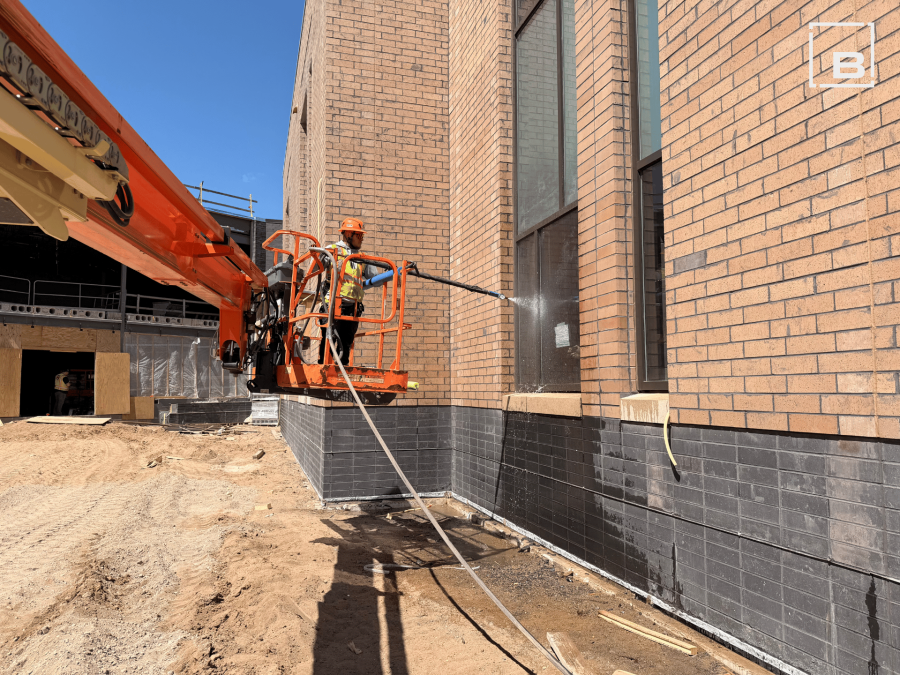
Often called the “hose stream” or “nozzle” test, AAMA 501.2 is commonly used for large non-operable systems such as curtain walls and storefronts that cannot be chamber tested. The test evaluates joints, sealants and glazing details designed to remain watertight helping confirm that critical interfaces are performing as expected.
AAMA 502 and AAMA 503
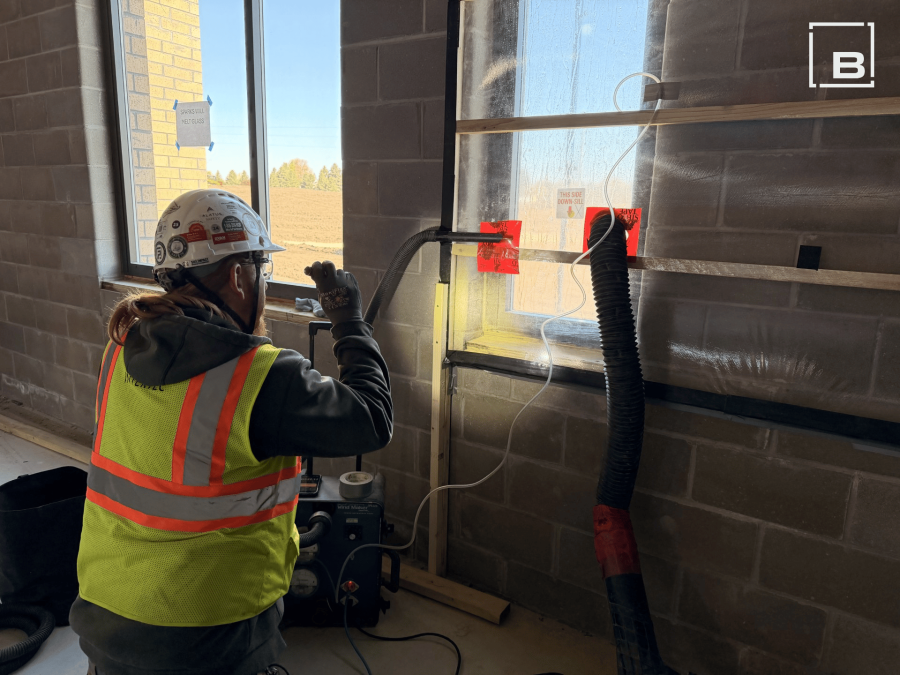
These standards are commonly referred to as “chamber tests” and evaluate installed performance for both air leakage and water penetration resistance. These testing procedures reference ASTM E783 and ASTM E1105 standards.
While both standards assess similar performance criteria, the testing procedures differ slightly depending on the fenestration system being evaluated.
- AAMA 502 applies to newly installed fenestration products (typically within six months of installation).
- AAMA 503 applies to newly installed storefronts, curtain walls, and sloped glazing systems.
Understanding Test Outcomes
Field testing results generally fall into two categories: pass or fail. A passing result means no uncontrolled water penetration was observed during testing. In some cases, small amounts of controlled water may be acceptable depending on the applicable testing standard and project specification.
Failures can occur due to:
- Issues within the fenestration product itself
- Problems with surrounding wall conditions
- Deficiencies at the joint between the fenestration system and adjacent construction
Identifying the source of water penetration is an important step in determining the appropriate corrective action and helping prevent recurring issues.
Supporting Building Performance Through Testing
Fenestration field testing helps project teams verify installation quality, reduce risk and improve long-term building performance. By understanding the testing process and coordinating early, owners, contractors and design teams can help avoid costly rework, protect project timelines, and improve overall building outcomes.
Planning a project with fenestration systems? Early field testing coordination can help reduce risk and avoid costly rework. Connect with our team to discuss your approach: Contact Us
Services:
Markets:
Contact Us
We are committed to reliable, responsive communication with our clients and potential clients. Our employee-owners are here to help and answer any questions you may have. We look forward to hearing from you.