Deep Foundations Special Inspections in Wisconsin: Why Early Coordination Matters
Services:
Markets:
Contact Us
We are committed to reliable, responsive communication with our clients and potential clients. Our employee-owners are here to help and answer any questions you may have. We look forward to hearing from you.
Deep Foundations Special Inspections in Wisconsin: Why Early Coordination Matters
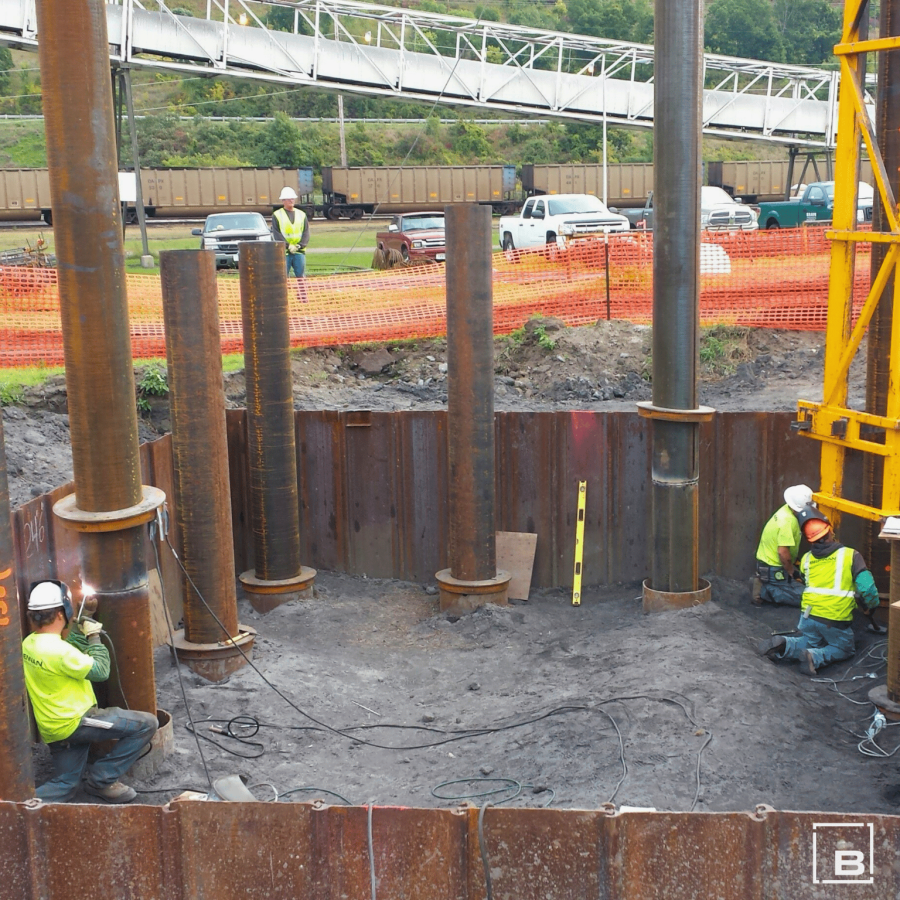
Deep foundations transfer structure loads to competent bearing layers when shallow foundations are not feasible. Because performance depends on installation methods, verification, and documentation, deep foundation work can carry schedule and risk impacts if special inspection requirements are identified late.
In Wisconsin, when deep foundation special inspections are required, they are documented by the design professional of record in the Statement of Special Inspections (Form SBD‑8102) as part of the approved construction documents.
Early coordination helps owners, contractors, and design teams reduce risk, avoid delays, and keep deep foundation work aligned with the construction schedule.
When Are Deep Foundations Special Inspections Required?
Under IBC Chapter 17, deep foundations are specifically identified among the categories where special inspection may apply, including driven deep foundations, cast‑in‑place deep foundations, and helical pile foundations.
On Wisconsin projects, required inspections are identified by the design professional of record and documented in the project’s special inspection program (including Form SBD‑8102) as part of the approved construction documents.
What Do Deep Foundation Special Inspectors Evaluate?
Deep foundation special inspections focus on confirming that installation and verification activities align with the approved construction documents and the requirements defined in the Statement of Special Inspections.
Depending on the foundation type and project scope, inspection and verification may include items such as:
- Observation and documentation of installation activities tied to the approved construction documents.
- Verification that required inspection coverage occurs at the right milestones.
- Completion of reports that support jurisdictional review and project closeout expectations.
(Inspection scope and frequency are project specific and defined in the approved construction documents and special inspection program.)
Why Deep Foundation Special Inspections Matter
Deep foundation work is difficult to validate after installation. Once installation progresses, correcting deficiencies can be disruptive and expensive, especially when subsequent construction depends on foundation completion.
For owners and project teams, deep foundation special inspections help:
- Reduce risk by confirming critical work aligns with approved requirements
- Support smoother jurisdictional review and closeout documentation
- Minimize rework that can delay the start of structural framing
- Keep foundation activities from becoming a critical path issue
Wisconsin special inspection guidance emphasizes documenting scope and reporting as part of the approved construction documents, which supports clearer expectations and fewer surprises during construction.
Why Early Coordination Is Critical for Deep Foundation Work
Deep foundation schedules can move quickly and often involve specialty contractors, equipment availability, and sequencing constraints. When special inspection coverage is not coordinated early, projects can face preventable slowdowns.
Early coordination helps clarify inspection timing, documentation requirements, and communication protocols so foundation work can proceed without avoidable delays.
Frequently Asked Questions: Deep Foundation Special Inspections
Are deep foundation special inspections always required?
No. Special inspections are required only when identified by the design professional of record and documented in the project’s Statement of Special Inspections as part of the approved construction documents.
What types of deep foundations are commonly included in special inspection programs?
IBC Chapter 17 identifies categories that may require special inspection, including driven deep foundations, cast‑in‑place deep foundations, and helical pile foundations.
Who hires the special inspector?
Wisconsin DSPS guidance indicates special inspectors are employed by the owner or supervising professional, not the contractor, which supports independence in the special inspection process.
What documentation is typically involved?
Wisconsin DSPS guidance points project teams to document special inspections using Statement of Special Inspections Form SBD-8102 and align scope and reporting with the approved construction documents.
Braun Intertec’s Role in Deep Foundation Special Inspections
Braun Intertec supports Wisconsin Special Inspections with ICC‑certified inspectors, backed by local experts who help align inspection coverage and reporting with active construction schedules and jurisdictional expectations.
Plan Early to Reduce Risk and Protect Construction Schedules
Deep foundation special inspections are most effective when requirements are identified early and integrated into project planning. Early coordination helps reduce rework, supports smoother approvals, and keeps foundation work moving so the project can transition to the next phase without avoidable delays.
Planning deep foundation work in Wisconsin?
Braun Intertec supports owners, contractors, and design teams statewide with deep foundation special inspections aligned with DSPS requirements and real‑world construction schedules.
Services:
Markets:
Contact Us
We are committed to reliable, responsive communication with our clients and potential clients. Our employee-owners are here to help and answer any questions you may have. We look forward to hearing from you.