Soils and Earthwork Special Inspections in Wisconsin: Why Early Coordination Matters
Services:
Markets:
Contact Us
We are committed to reliable, responsive communication with our clients and potential clients. Our employee-owners are here to help and answer any questions you may have. We look forward to hearing from you.
Soils and Earthwork Special Inspections in Wisconsin: Why Early Coordination Matters
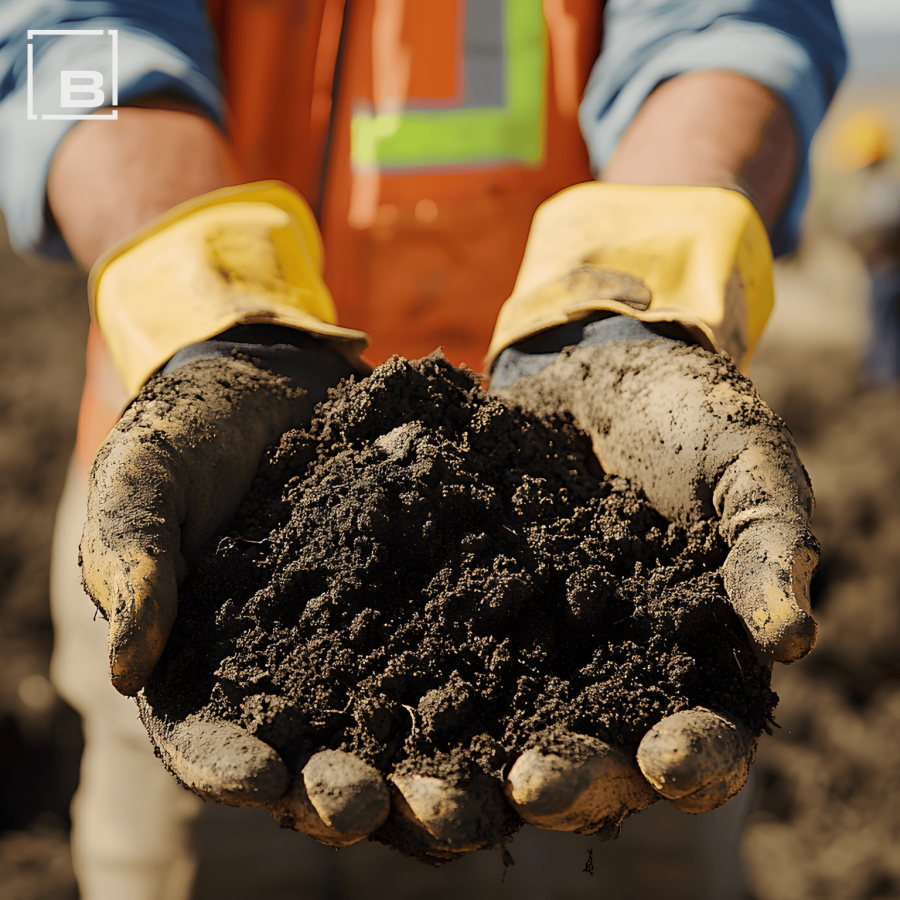
Soils and earthwork form the foundation of every structure but issues below grade can create significant risk above it. In Wisconsin, the Commercial Building Code requires soils and earthwork special inspections for certain construction activities when conditions may affect structural performance or long-term stability.
Understanding when soils and earthwork special inspections are required, what inspectors evaluate, and how early coordination supports compliance helps owners and project teams reduce risk, avoid delays, and keep construction schedules on track.
When Are Soils and Earthwork Special Inspections Required in Wisconsin?
Under Wisconsin’s adoption of the 2021 International Building Code (IBC), soils and earthwork special inspections are required when site conditions, materials, or construction methods could influence foundation support or load transfer.
Common inspection triggers include:
- Engineered fill placement and compaction
- Controlled low-strength material (CLSM) placement
- Subgrade preparation beneath slabs-on-grade or foundations
- Earthwork supporting structural loads
- Deep foundation elements interacting with supporting soils
Inspection requirements are identified by the design professional of record and documented in the Statement of Special Inspections, which is submitted as part of the approved construction documents.
What Do Soils and Earthwork Special Inspectors Evaluate?
Soils and earthwork special inspections verify that site preparation and earthwork activities comply with approved project plans, specifications, and geotechnical recommendations.
Typical inspection and verification activities include:
- Observing subgrade conditions prior to fill placement
- Evaluating approved fill material types and placement methods
- Monitoring lift thickness and compaction procedures
- Verifying testing frequency and documentation
- Identifying unsuitable or unstable soils before construction progresses
These inspections help identify concerns before foundations, slabs, or structural elements are placed when corrective measures are less disruptive and more cost-effective.
Why Are Soils and Earthwork Special Inspections Important?
Unlike visible building components, soil-related deficiencies are often concealed once construction advances. If discovered late, they can lead to settlement, cracking, schedule impacts, and costly remediation.
For owners and project teams, soils and earthwork special inspections help:
- Reduce the risk of foundation and slab performance issues
- Support smoother inspections, approvals, and project closeout
- Maintain alignment between geotechnical recommendations and field execution
- Provide documented compliance for authorities having jurisdiction
- Protect construction schedules by identifying issues early
Why Early Coordination Is Critical for Earthwork Activities
Earthwork often progresses rapidly, making coordination between contractors, inspection teams, and testing laboratories essential. Missed inspections or incomplete documentation can result in delays, rework, or corrective actions.
Early coordination helps clarify:
- Required inspection scope and trigger points
- Timing expectations during mass grading and engineered fill placement
- Testing, reporting, and documentation requirements
- Communication protocols for nonconforming conditions
Integrating inspection planning early helps minimize disruptions once construction begins.
Frequently Asked Questions: Soils and Earthwork Special Inspections
Are soils and earthwork special inspections always required?
No. Special inspections are required only when identified by the design professional of record based on site conditions, construction methods, and code requirements, and when documented in the Statement of Special Inspections.
Who is responsible for scheduling soils and earthwork special inspections?
The owner is typically responsible for engaging special inspection services, while coordination occurs among the contractors, inspection team, design professionals, and testing laboratories.
How do soils and earthwork inspections differ from routine materials testing?
Special inspections focus on code-required verification and compliance, while routine testing supports quality control. Projects often require both, coordinated to avoid gaps or duplication.
What happens if unsuitable soils are identified during inspection?
If unsuitable soils are encountered, the issue is documented and communicated to the project team for evaluation and corrective action in accordance with project specifications and geotechnical recommendations.
Braun Intertec’s Soils and Earthwork Special Inspection Services
Braun Intertec provides soils and earthwork special inspections across Wisconsin with experienced, ICC-certified inspectors supported by integrated geotechnical and materials testing teams. This coordinated approach supports fast-moving earthwork activities while helping teams meet special inspection requirements efficiently.
Plan Early to Reduce Risk and Protect Construction Schedules
Soils and earthwork special inspections are most effective when requirements are identified early and integrated into project planning. Early coordination reduces surprises, limits rework, and supports smoother construction from the ground up.
Planning earthwork or foundation construction in Wisconsin? Braun Intertec supports owners, contractors, and design teams statewide with soils and earthwork special inspections aligned with DSPS requirements and real-world construction schedules.
Services:
Markets:
Contact Us
We are committed to reliable, responsive communication with our clients and potential clients. Our employee-owners are here to help and answer any questions you may have. We look forward to hearing from you.