Water Quality Month: How PFAS Investigations Help Protect Drinking Water
Services:
Markets:
Contact Us
We are committed to reliable, responsive communication with our clients and potential clients. Our employee-owners are here to help and answer any questions you may have. We look forward to hearing from you.

Water Quality Month: How PFAS Investigations Help Protect Drinking Water
Protecting clean drinking water resources is essential to healthy communities and requires ongoing monitoring and investigation. During Water Quality Month, it's worth recognizing the work being done to better understand PFAS, a group of persistent chemicals that can impact groundwater and drinking water supplies. Through statewide investigations and groundwater monitoring programs, we help clients and regulators identify potential PFAS sources and make informed decisions about water resource management.
What Are PFAS?
PFAS, or per- and polyfluoroalkyl substances, are a group of human-made chemicals that have been used for decades in industrial processes and consumer products. Because they resist heat, water, and oil, they have been commonly found in items such as firefighting foams, food packaging, and stain-resistant materials.
PFAS can persist in the environment for long periods of time, making it important to understand where they may be present and how they may move through soil, groundwater, and surface water. As regulatory requirements continue to evolve, investigating potential PFAS impacts has become an increasingly important part of protecting drinking water resources.
Need help evaluating PFAS concerns at your site?
Braun Intertec's environmental professionals provide groundwater investigations, site characterization, monitoring programs, and regulatory support to help clients better understand PFAS-related risks. Contact Us
How Do Environmental Scientists Identify Potential PFAS Sources?
Identifying potential PFAS sources is a critical step in understanding and addressing contamination. We support the Minnesota Pollution Control Agency (MPCA) in a statewide program evaluating potential PFAS source areas across Minnesota.
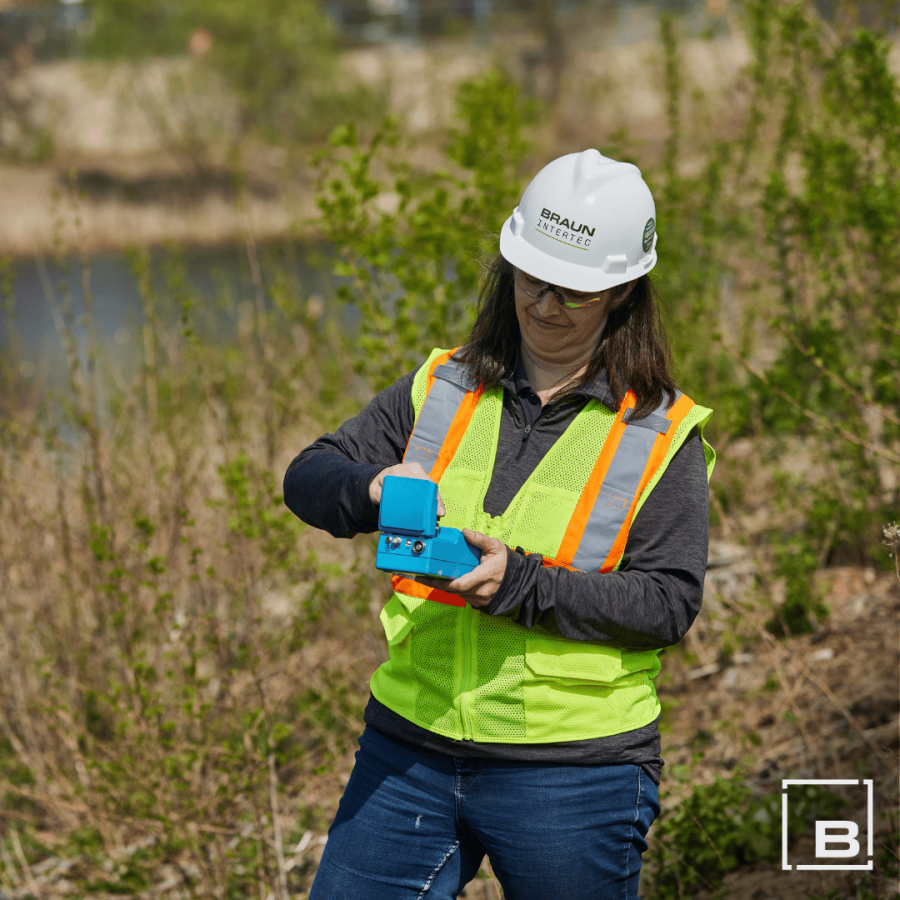
Investigations combine reviews of water quality data, geologic conditions, drinking water systems, and historical land use with field activities such as groundwater, surface water, and sediment sampling. The resulting data helps environmental scientists identify potential source areas, understand contaminant migration pathways, and support future remediation and water resource planning efforts.
Why Are Landfills Investigated for PFAS?
Closed landfills are one of many locations that may warrant PFAS evaluation due to the variety of materials historically disposed of at these sites. We assisted the MPCA with investigations at multiple landfill locations throughout Minnesota, completing geologic studies, installing monitoring wells, and developing conceptual site models and 3D visualizations to better understand groundwater flow and potential contaminant migration pathways.
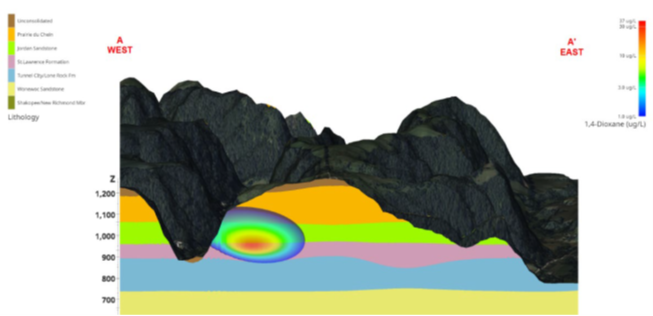
In a related project, we collected PFAS groundwater samples from 105 monitoring wells at 28 solid waste landfill sites across Minnesota. Sampling was conducted in accordance with MPCA guidance and included rigorous quality control measures, such as field blanks, duplicate samples, and equipment blanks. The resulting data helped support ongoing efforts to evaluate PFAS impacts at landfill sites and better understand groundwater conditions throughout the state.
Planning a landfill investigation or groundwater monitoring program?
Braun Intertec's environmental scientists, hydrogeologists, and geologists can help collect reliable data, evaluate site conditions, and support regulatory compliance efforts. Contact Us
Why Do PFAS Investigations Matter?
Protecting water quality requires more than collecting samples. Effective investigations combine geology, hydrogeology, environmental science, and data analysis to understand site conditions and support informed decision-making.
By identifying potential sources and evaluating migration pathways, environmental professionals provide the information needed to guide future investigation, remediation planning, and water resource management decisions. These efforts help communities, regulators, utilities, and property owners better understand environmental conditions and plan for the future.
As interest in PFAS and drinking water quality continues to grow, scientifically sound investigations remain an important tool for protecting water resources.
Protecting Water Resources Through Science
Understanding what lies beneath the surface is critical to protecting drinking water supplies. Through groundwater investigations, geologic studies, conceptual site modeling, and environmental monitoring, projects like these provide the data needed to evaluate potential PFAS impacts and support informed decisions.
During Water Quality Month, these efforts serve as a reminder that protecting water quality is an ongoing process that relies on science, collaboration, and a commitment to understanding the environment.
Contact Braun Intertec to learn how our environmental professionals can help evaluate site conditions, support regulatory requirements, and protect water resources. Contact Us
Services:
Markets:
Contact Us
We are committed to reliable, responsive communication with our clients and potential clients. Our employee-owners are here to help and answer any questions you may have. We look forward to hearing from you.