Wood Framing Special Inspections in Wisconsin: Why Early Coordination Matters
Services:
Markets:
Contact Us
We are committed to reliable, responsive communication with our clients and potential clients. Our employee-owners are here to help and answer any questions you may have. We look forward to hearing from you.
Wood Framing Special Inspections in Wisconsin: Why Early Coordination Matters
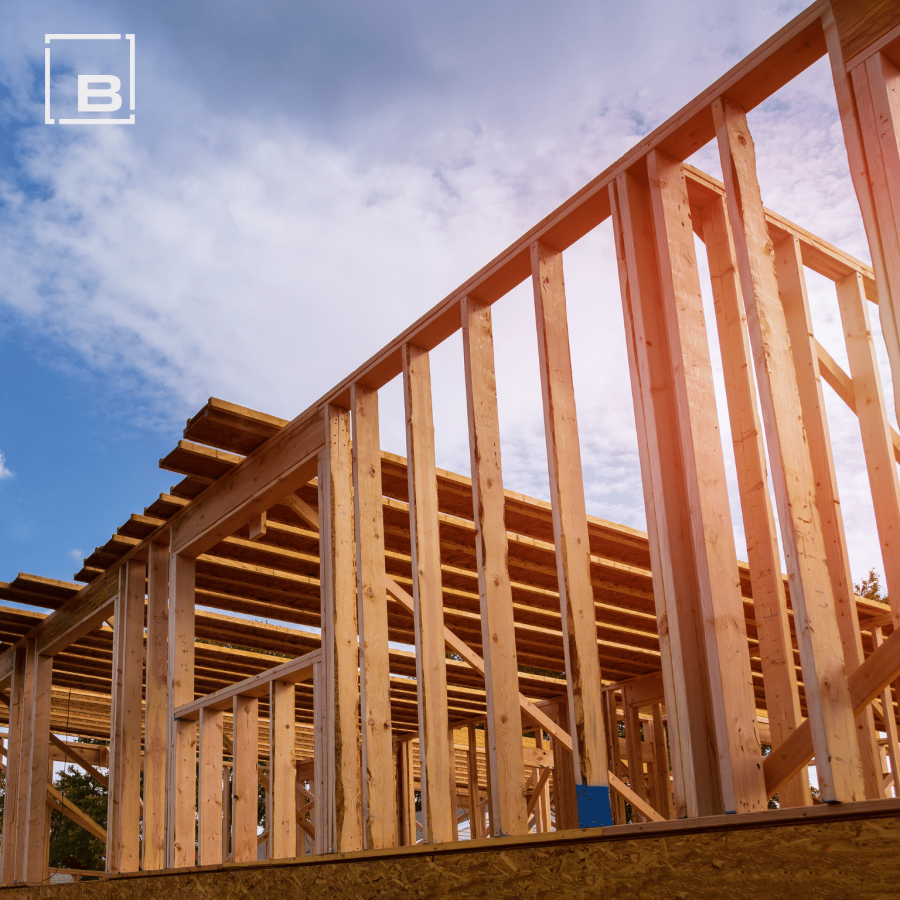
Wood framing plays a critical role in supporting structural loads, lateral systems, and overall building performance but once assemblies are concealed, installation issues can be difficult to identify and correct. In Wisconsin, the Commercial Building Code requires wood framing special inspections for certain structural elements and connections where proper installation is essential to structural integrity.
Understanding when wood framing special inspections are required, what inspectors evaluate, and why early coordination matters helps owners and project teams reduce risk, maintain compliance, and avoid costly rework during construction.
When Are Wood Framing Special Inspections Required in Wisconsin?
Under Wisconsin’s adoption of the 2021 International Building Code (IBC), wood framing special inspections are required when wood structural elements or connections are critical to load transfer, lateral resistance, or overall building performance.
Common inspection triggers include:
Highload diaphragms and shear walls
Metal-plate-connected wood trusses spanning 60 feet or greater
- Wood framing supporting lateral load‑resisting systems
- Connections involving hold‑downs, anchors, and structural hardware
- Engineered wood products such as glulam or cross‑laminated timber (CLT)
- Conditions where framing or connections will be concealed by finishes
Required inspections are identified by the design professional of record and documented in the Statement of Special Inspections, which becomes part of the approved construction documents.
What Do Wood Framing Special Inspectors Evaluate?
Wood framing special inspections verify that structural framing and connections are installed in accordance with approved plans, specifications, and applicable code requirements.
Typical inspection and verification activities include:
- Verification of framing member size, spacing, and layout
- Confirmation of connector types, sizes, and installation
- Observation of nailing patterns and fastening requirements
- Evaluation of hold‑downs, anchors, and load‑transfer connections
- Documentation of corrections for nonconforming conditions
These inspections help confirm that structural systems are performing as intended before walls, floors, and ceilings are finished, when corrections are still manageable.
Why Wood Framing Special Inspections Matter
Unlike exposed structural systems, wood framing components are often concealed early in construction. If deficiencies are discovered late, projects may face rework, schedule impacts, and potential structural concerns.
For owners and project teams, wood framing special inspections help:
- Reduce the risk of structural performance issues
- Support smoother inspections, approvals, and project closeout
- Maintain alignment between design intent and field installation
- Provide documented compliance for authorities having jurisdiction
- Protect construction schedules by identifying issues early
Why Early Coordination Is Critical for Wood Framing Activities
Wood framing progresses quickly and often overlaps with multiple trades. Because inspections must occur before concealment, timing is critical to avoid missed inspections and rework.
Early coordination helps clarify:
- Which framing elements and connections require special inspection
- Inspection timing before sheathing, drywall, or finishes are installed
- Documentation and reporting expectations
- Communication protocols for nonconforming conditions
Planning inspection requirements early helps avoid reopening completed assemblies or delaying downstream work.
Frequently Asked Questions: Wood Framing Special Inspections
Are wood framing special inspections always required?
No. Special inspections are required only when identified by the design professional of record and documented in the Statement of Special Inspections based on project conditions and code requirements.
Who is responsible for wood framing special inspections?
In Wisconsin, special inspectors are typically retained by the owner or supervising professional to maintain independence from the contractor performing the work.
How do wood framing inspections differ from contractor quality control?
Contractor quality control supports workmanship, but it does not replace code‑required special inspections. Special inspections provide independent verification of compliance.
What happens if framing or connections do not meet requirements?
Nonconforming conditions are documented and communicated to the project team for evaluation and corrective action in accordance with approved plans and specifications.
Braun Intertec’s Wood Framing Special Inspection Services
Braun Intertec provides wood framing special inspections across Wisconsin with experienced, qualified inspectors supported by coordinated reporting and documentation. This integrated approach helps project teams meet special inspection requirements while keeping framing activities on schedule.
Plan Early to Reduce Risk and Protect Construction Schedules
Wood framing special inspections are most effective when requirements are identified early and integrated into project planning. Early coordination helps reduce rework, avoid delays, and support safe, compliant construction.
Planning a wood‑framed project in Wisconsin?
Braun Intertec supports owners, contractors, and design teams statewide with wood framing special inspections aligned with DSPS requirements and real‑world construction schedules.
Services:
Markets:
Contact Us
We are committed to reliable, responsive communication with our clients and potential clients. Our employee-owners are here to help and answer any questions you may have. We look forward to hearing from you.