How Fast Air Permitting Support Helped a Food and Beverage Facility Keep Construction Moving
Services:
Markets:
Contact Us
We are committed to reliable, responsive communication with our clients and potential clients. Our employee-owners are here to help and answer any questions you may have. We look forward to hearing from you.
How Fast Air Permitting Support Helped a Food and Beverage Facility Keep Construction Moving
Talk with Braun Intertec about air permit modifications, emissions evaluations, and modeling support for changing operations: Contact Us
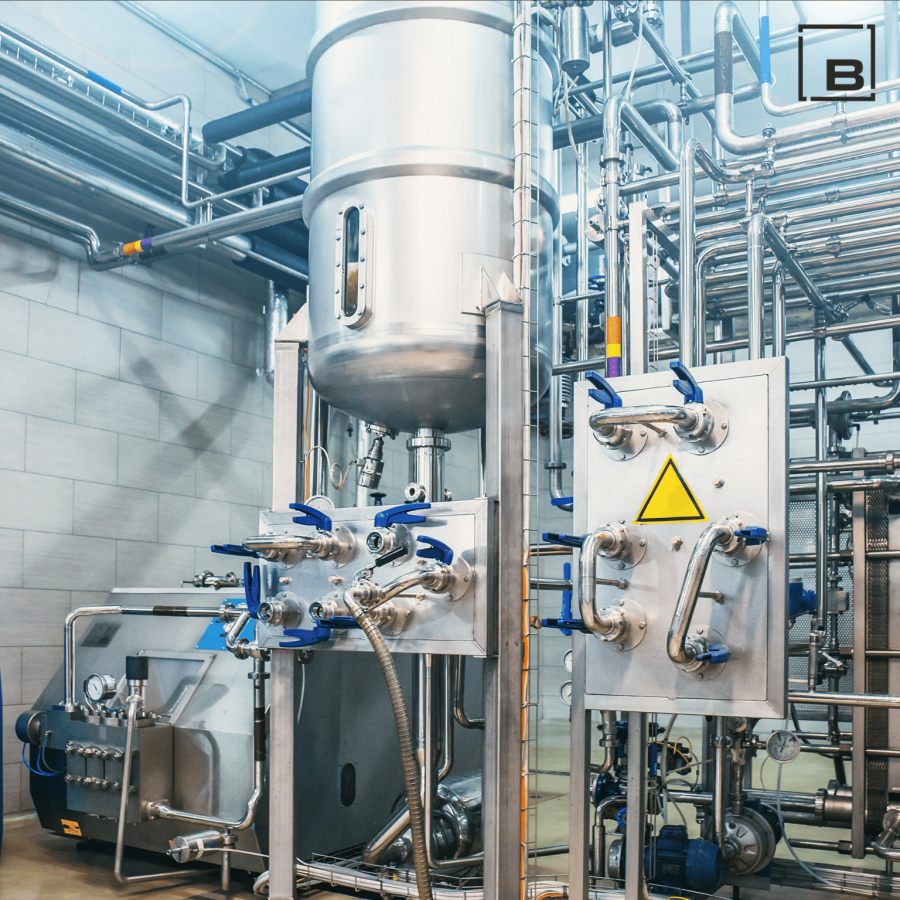
Manufacturing projects do not always go exactly as planned. In this case, a food and beverage facility had already secured a permit with Braun Intertec’s help when it became clear the original process was not viable. The revised approach required larger equipment, which changed emissions and triggered a higher tier air permit along with air dispersion modeling. Braun re-evaluated the impact, prepared the updated application and modeling, and helped the client move forward. The permit was issued without comment, and construction stayed on track.
Why process changes can trigger a new air permitting path
A late-stage process revision can create a ripple effect across environmental compliance. Even when a site already has a permit in hand, a change in equipment size or process design can alter projected emissions enough to trigger a different permit path. In this case, the client identified that its original manufacturing process would not work. The revised approach required equipment to be increased significantly in size, which changed the emissions profile for the site. Braun Intertec reassessed those emissions and determined that the facility now needed a higher tier air permit with increased requirements.
For owners, operators, and project teams, this is where momentum can be lost. If the change is not evaluated quickly and accurately, construction schedules can slip while teams work through new regulatory requirements. That is why early re-evaluation matters. You need a partner who can quickly assess the technical implications of the change and translate them into a permitting strategy that aligns with your project schedule.
What Braun Intertec did
Once the client reached out, Braun moved quickly to evaluate the revised emissions from the larger equipment and identify the permitting implications. Because the change required a higher tier permit, the scope of work became more involved than a standard modification. It required a new air permit application along with a compliant air dispersion modeling analysis. Braun prepared and submitted both for the new site configuration.
This type of support matters because air permitting is not only about forms and submittals. It is about understanding how process decisions affect emissions, how regulatory thresholds apply, and what analyses are necessary to support approval. When a facility is moving quickly, it helps to have one team that can connect those pieces and keep the process moving forward.
The outcome
The updated permit was public noticed and issued without comment. That is an important outcome for any project, especially one facing an unexpected process revision. It means the client was able to respond to a necessary operational change while still maintaining forward progress through the permitting process.
Just as important, the facility was able to accommodate the revised process without delay or interruption to its construction schedule. For project teams balancing design decisions, equipment changes, contractor timelines, and regulatory obligations, that kind of continuity matters. Braun helped the client adapt quickly and move ahead with confidence.
When your process changes, our team can help you understand the permitting impact and keep your project moving: Contact Us
What clients can take away from this
If your manufacturing process changes after initial permitting work has started, it does not always mean your project has to stall. The key is understanding the emissions impact early, identifying whether your permit path has changed, and taking action quickly enough to stay aligned with project milestones. Braun Intertec helps facilities navigate permit modifications, more complex air permit applications, and technical analyses such as air dispersion modeling so changes can be addressed without unnecessary disruption. This particular project involved a food and beverage facility with an unexpected and very quick need for permit modification and modeling support, which Braun provided in time to protect the construction schedule.
What happens if my equipment or operations change after getting an air permit?
A change in equipment size can affect emissions and may require a different level of air permit, additional technical analysis, or a new application. In this Braun Intertec project, a process change required significantly larger equipment, which led to a higher tier permit and an air dispersion modeling analysis before the updated permit was issued.
If your project scope changes after permitting has started, Braun Intertec can help you evaluate the impact, update your air permitting strategy, and keep your project moving. Contact our environmental consulting team to talk through your next step: Contact Us
Services:
Markets:
Contact Us
We are committed to reliable, responsive communication with our clients and potential clients. Our employee-owners are here to help and answer any questions you may have. We look forward to hearing from you.