Reinforced Concrete Special Inspections in Wisconsin: What Owners and Design Teams Need to Know
Services:
Markets:
Contact Us
We are committed to reliable, responsive communication with our clients and potential clients. Our employee-owners are here to help and answer any questions you may have. We look forward to hearing from you.
Reinforced Concrete Special Inspections in Wisconsin: What Owners and Design Teams Need to Know
Reinforced concrete plays a critical role in the structural integrity of commercial, industrial, and institutional buildings across Wisconsin. Because its performance depends on proper placement, reinforcement, and curing, the Wisconsin Commercial Building Code requires special inspections for specific reinforced concrete elements and construction activities.
Understanding when special inspections are required helps owners, contractors, and design teams reduce risk, avoid construction delays, and stay compliant throughout the build.
When Are Reinforced Concrete Special Inspections Required?
In Wisconsin, reinforced concrete special inspections are required for specific structural elements under the IBC and must be documented in the Statement of Special Inspections. These inspections help owners and design teams confirm code compliance, reduce risk, and avoid construction delays.
Common triggers include:
- Castinplace reinforced concrete foundations
- Structural slabs, beams, columns, and shear walls
- Elevated slabs and metal decks
- Suspended slabs requiring reinforcement inspection prior to placement
- Concrete placed over occupied spaces or critical infrastructure
The design professional of record identifies required special inspections within the Statement of Special Inspections, which becomes part of the permit and construction documentation.
What Do Reinforced Concrete Special Inspectors Verify?
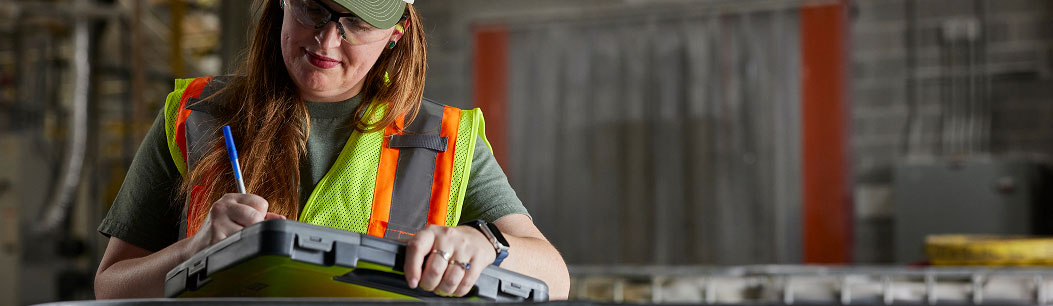
Special inspectors observe and document critical stages of reinforced concrete construction to confirm work aligns with approved plans, specifications, and applicable codes.
Typical inspection activities include:
- Reinforcing steel placement: size, spacing, cover, and proper support
- Anchors and embeds: type, location, edge distances, and installation method
- Formwork conditions: alignment, stability, and readiness for placement
- Concrete placement operations: including consolidation and cold weather or hot weather procedures (when applicable)
- Concrete testing: field testing and sample collection for laboratory testing to verify compressive strength
These inspections help detect issues early before concrete placement limits the ability to correct deficiencies.
Why Reinforced Concrete Inspections Matter
Unlike finish elements, reinforced concrete deficiencies can be difficult or costly to remediate once construction advances. Special inspections provide an added layer of quality assurance by confirming that structural components are installed as designed before they become concealed.
This helps:
- Reduce structural risk and rework
- Support timely project approvals and closeout
- Provide documented compliance for owners and authorities having jurisdiction
- Maintain alignment between design intent and field execution
Coordination Is Key
Reinforced concrete special inspections require close coordination between the contractor, testing laboratory, and inspection agency. Scheduling inspections at the right construction milestones, particularly before concrete placement, helps avoid delays and failed inspections.
Design teams and contractors are encouraged to review inspection requirements early in the project and confirm:
- Inspection scope and frequency
- Required documentation and reporting
- Communication protocols when nonconforming conditions are identified
Braun Intertec’s Role in Reinforced Concrete Special Inspections
Braun Intertec supports reinforced concrete special inspections across Wisconsin with ICC-certified inspectors and experienced project coordination teams. Our inspectors work closely with contractors, design professionals, and testing laboratories to confirm inspection coverage aligns with required construction milestones and approved documentation.
By integrating special inspections with materials testing and geotechnical services, Braun Intertec helps teams reduce coordination gaps, avoid inspection-related delays, and maintain compliance with Wisconsin Commercial Building Code requirements throughout construction.
Plan Early to Support Compliance and Schedules
Reinforced concrete inspections are most effective when inspection scope, timing, and documentation requirements are addressed early in the project. Early coordination helps reduce rework, supports smoother permitting and closeout, and keeps construction moving as planned.
Planning reinforced concrete construction in Wisconsin?
Braun Intertec supports owners and design teams statewide with reinforced concrete special inspections aligned to DSPS requirements and project schedules.
Services:
Markets:
Contact Us
We are committed to reliable, responsive communication with our clients and potential clients. Our employee-owners are here to help and answer any questions you may have. We look forward to hearing from you.